
AI-generated · study corpus
Typical image flaws · Bachelor's thesis
The flawless image and its blind spots.
AI images reliably look good – and that is exactly what can hide their flaws. The scene here, too, is entirely AI-generated.
Introduction
This page walks through four types of flaw: body and anatomy, the logic of a scene, light and space – and role imagery that cannot be pinned to any single spot in the picture. That such breaks can slip past under a convincing surface is what SemantIC calls the masking effect – it is derived under How it works.
The examples on this page come from the empirical part of the bachelor's thesis – 144 AI-generated images, systematically coded. Two of three photorealistic images among them (71 of 106) carried at least one flaw – the rule in this corpus, not an outlier. All markings below come from this manual coding, not from a fresh model run. It is a corpus of its own, not a representative cross-section of all AI images.
Anatomy
When bodies don't fit together.
The classic among AI flaws – the rarest of the three flaw types in the corpus, but still present in dense scenes with several people. Where people overlap, the AI loses the boundary between two bodies – arms and legs merge into one another. Hands remain a problem of their own: sometimes one finger too many, sometimes one hand too many for the pose.
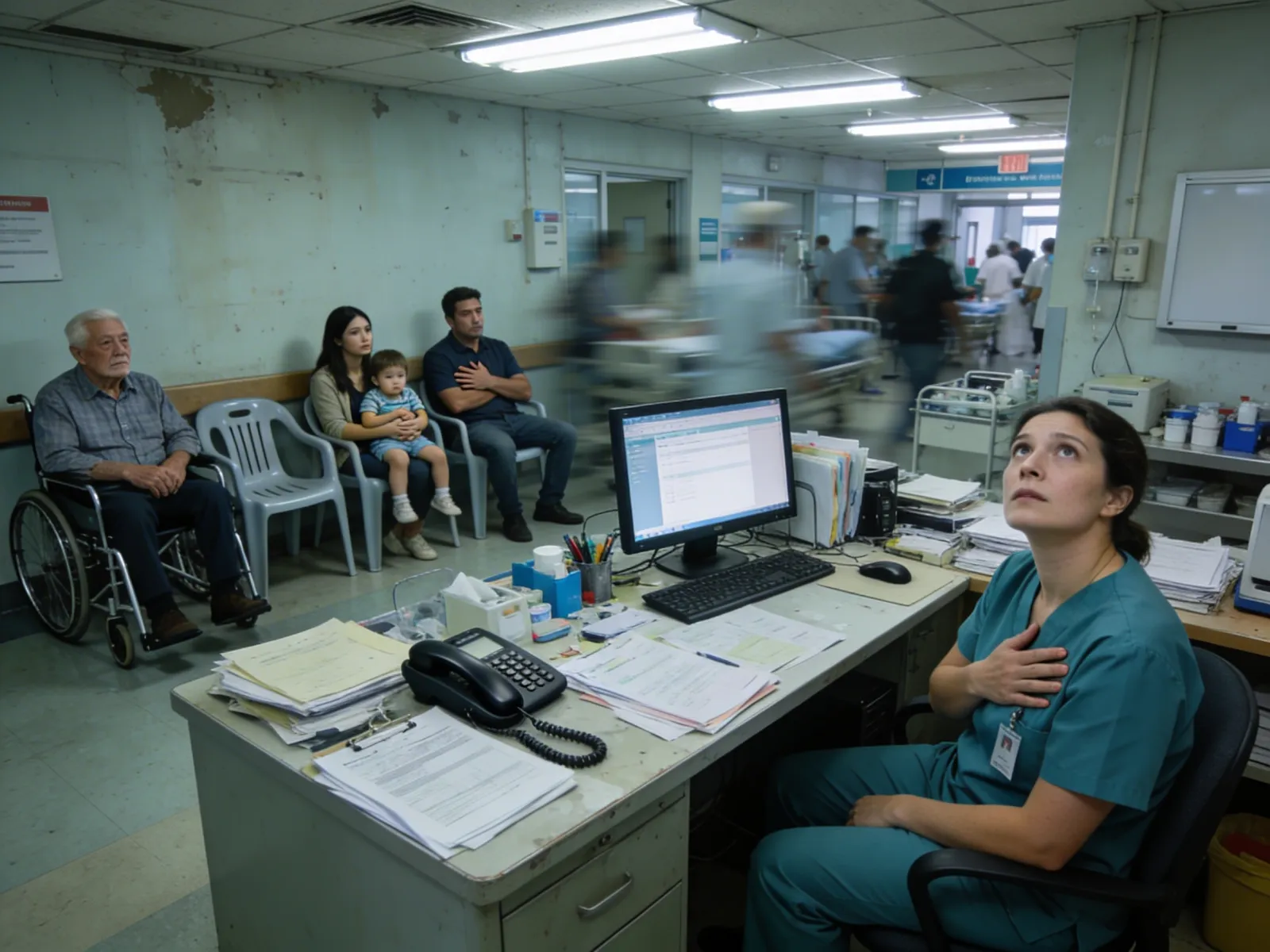
- Merging limbsWith the waiting woman and the child on her lap, arms and legs merge into one another – at the overlaps the AI loses the boundary between two bodies.
- Too many fingersOn the hand of the man waiting beside her, more fingers can be counted than are anatomically possible.
Markings from the manual coding (Phase 1)

- Too many handsThe barista seems to hold the tray from above and below at the same time – there are more hands in the image than the pose allows.
Markings from the manual coding (Phase 1)
Context
When the scene makes no sense.
No magnifier and no detector finds these breaks – only a comparison with world knowledge does. A laptop with no screen, a houseplant in the coffee cup, a full wine glass at a child's place: technically rendered flawlessly, yet absurd in substance. Because the image looks clean, what is wrong only registers on a second look.

- Laptop with no screenThe guest in the foreground types on a laptop whose display is missing – the device makes no sense that way.
- Plant out of the cupA houseplant grows out of a vessel that should hold coffee.
Markings from the manual coding (Phase 1)
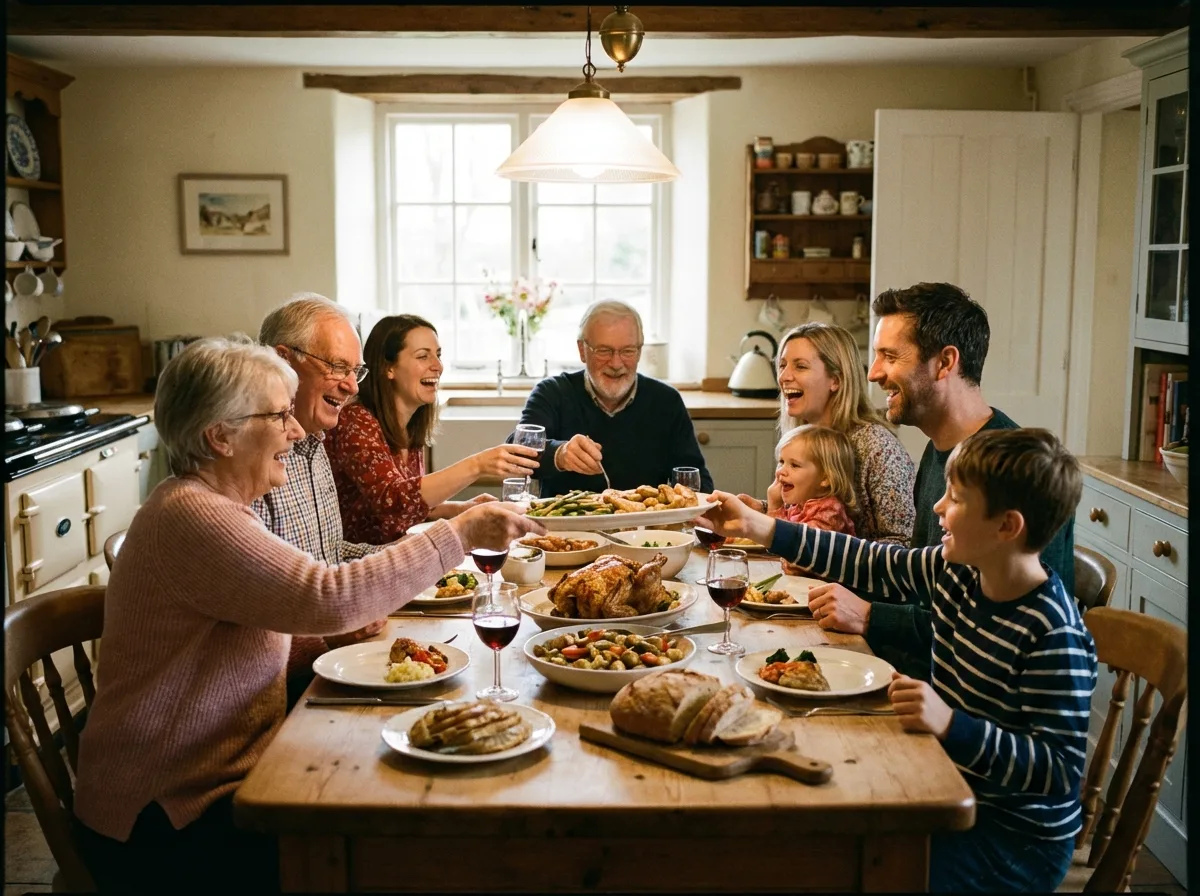
- Wine glass at a child's placeAt the little boy's place stands a full glass of red wine – absurd in substance, yet technically rendered flawlessly.
Markings from the manual coding (Phase 1)
Physics
When light and space don't add up.
The most common flaw type in the corpus – and usually the most subtle. Reflections that don't match the scene in front of them, screens facing the wrong way: details that barely register because the image otherwise looks convincing. This is exactly where the masking effect comes in.
- Wrong reflectionThe chrome espresso machine reflects surroundings that don't match the scene in front of it.
- Screen facing the wrong wayThe laptop at the window shows its screen facing the wrong way – not away from the person sitting in front of it.
Markings from the manual coding (Phase 1)
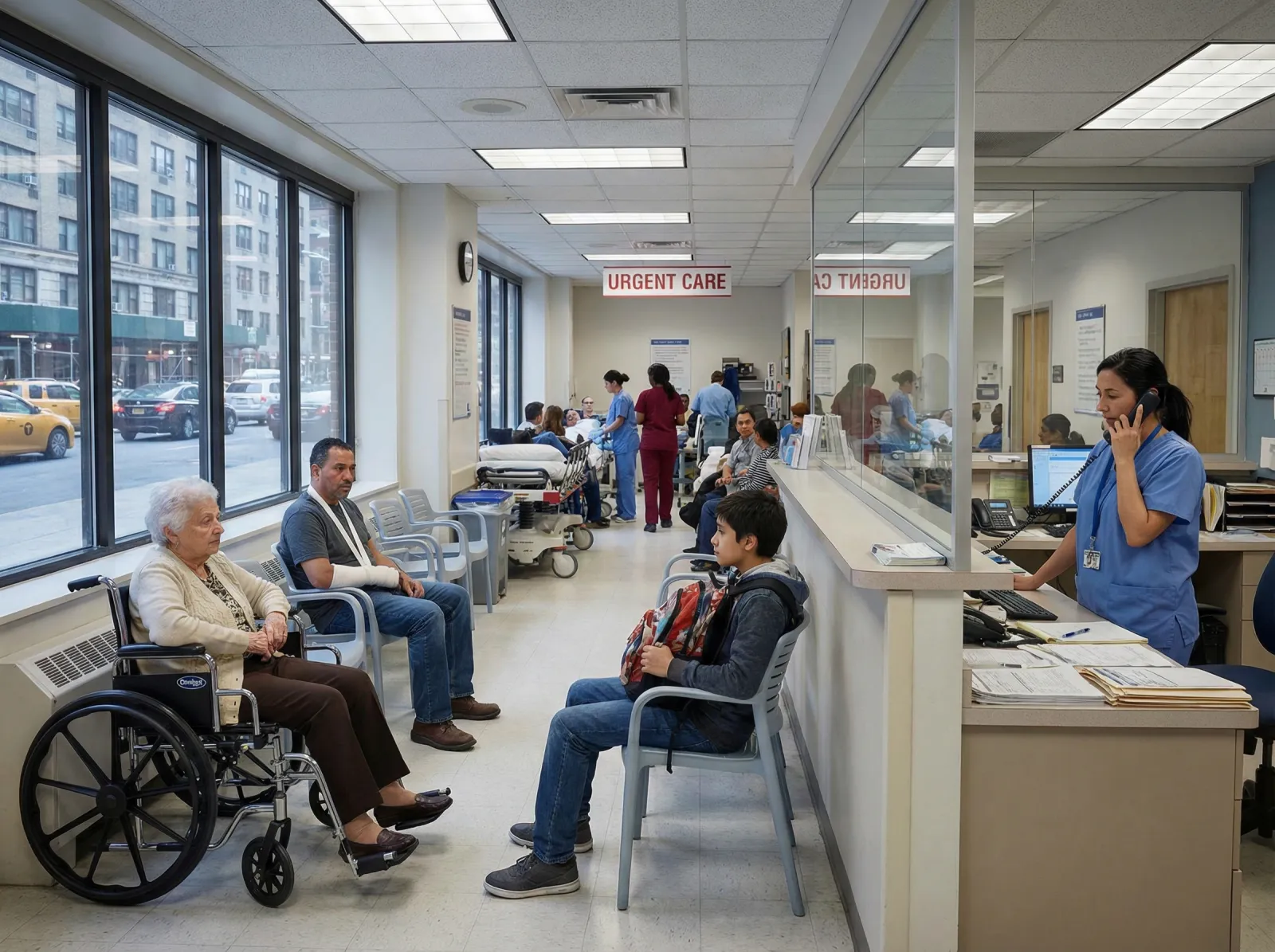
- Reflection doesn't matchIn the glass partition the ceiling lights and the sign are reflected incorrectly – a break that barely registers because the image otherwise looks convincing. That is precisely the masking effect.
Markings from the manual coding (Phase 1)
Stereotypes
The flaw with no spot in the picture.
Some flaws are not a markable spot but a pattern. For “a nurse” the AI typically delivers a young, attractive woman; for “a CEO” a man in a leadership pose. Perceived gender or skin tone are in themselves no finding – only the stereotyped casting of the role sets it off.


Outlook
The conspicuous flaw is the exception – the subtle one is the rule.
Hunting for the sixth finger alone doesn't get you far: even in this corpus it is not the anatomy artefacts that dominate but physics and context breaks – and the more strongly an image is curated, the harder the flaw is to spot. Pure artefact hunting is therefore unreliable. That is why SemantIC checks not “real or fake” but the coherence of an image.
How SemantIC forms a verdict from this is explained under How SemantIC works.