
AI-generated mood image
Physics · Semantics · Bias
Convincing isn't enough.
SemantIC grew out of the analysis of 144 AI-generated images – and checks yours for physical coherence, semantic consistency and bias.
Research preview · created as part of a bachelor's thesis at Fachhochschule Graubünden
The blind spot
An image can look perfect and still not be right.
AI image generators are good at making images beautiful – and considerably worse at making them right: physically plausible, fitting in substance, free of clichés. Visual perfection can cover these weaknesses: where an image convinces, the scrutinizing look is more easily left out. We call this effect masking – and SemantIC works against it.
The same image, three angles: physics, semantics and bias. Switch the dimension – the finding switches with it.

Drag the slider across the image
Light, shadow, material. Visible here: the stethoscope is impossibly tangled – tubing, headset and band run together in a way that could not really be worn. A structural flaw that disappears in the overall impression.
The masking
The gap between beautiful and coherent.
SemantIC assesses two things strictly separately: how an image comes across (aesthetics) and what it holds in substance (integrity). This makes it visible when an image looks better than it is – the breeding ground for masking. How the masking check works in detail is set out under How it works.

How an image comes across
The aesthetic surface – mood, sharpness, composition. What convinces at first glance.
What it holds in substance
Physics, semantics, bias. What holds up on closer inspection – or does not.
Both are deliberately assessed separately – never merged into a single number.
For context
Not an authenticity detector.
SemantIC does not tell you whether an image is “real” or “AI”, and does not sort into “fake” and “not fake”. It assesses the quality of an image already known to be AI-generated – coherent, or merely beautiful? And every finding is a cue, not a verdict.
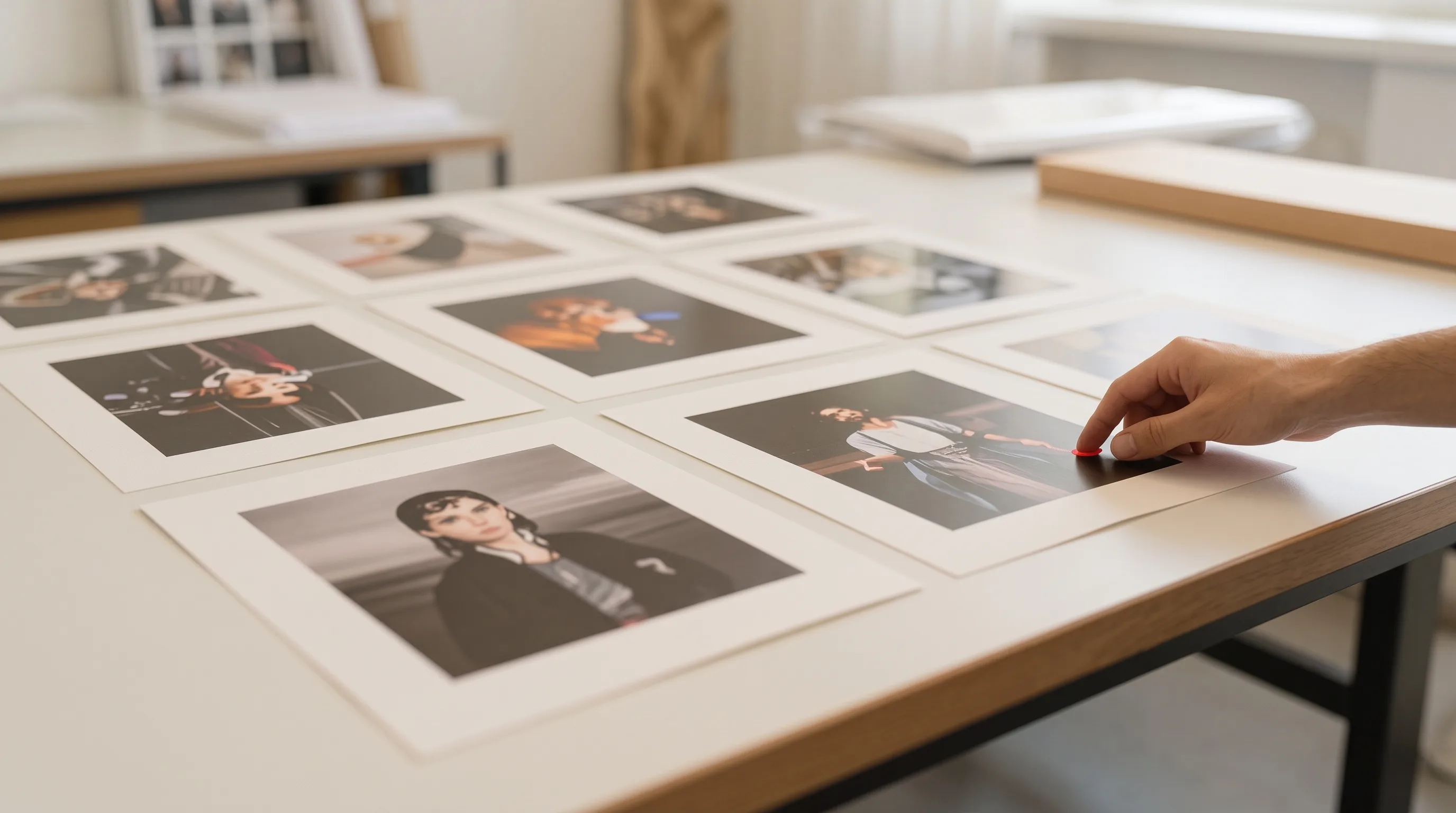 AI-generated mood image
The research behind it
The check logic comes from research of our own.
The criteria SemantIC checks by come from a qualitative content analysis of our own of 144 AI-generated images – how that became the check and where its limits lie is openly documented.
Have your image checked before someone else does.
Drop an image, wait a moment, read a finding. No sign-up.